
A garage door may look like a simple part of a home, but its operation depends on several mechanical components working together. Among the most important are the garage door rollers. These small wheels guide the door along its tracks, helping it open and close smoothly.
Because rollers move every time the garage door operates, they experience continuous wear. Over time, they can become noisy, cracked, loose, or unable to rotate properly. When these problems develop, the garage door may begin shaking, moving unevenly, or placing additional strain on other components.
For homeowners in West Bloomfield, Southfield, Troy, and Northville, Michigan’s seasonal weather changes and frequent garage usage make regular inspections especially valuable.
Understanding the warning signs of worn Garage Door Rollers and knowing when professional Garage Door Rollers Replacement is necessary can help prevent unexpected breakdowns and expensive repairs.
What Are Garage Door Rollers and Why Are They Important?
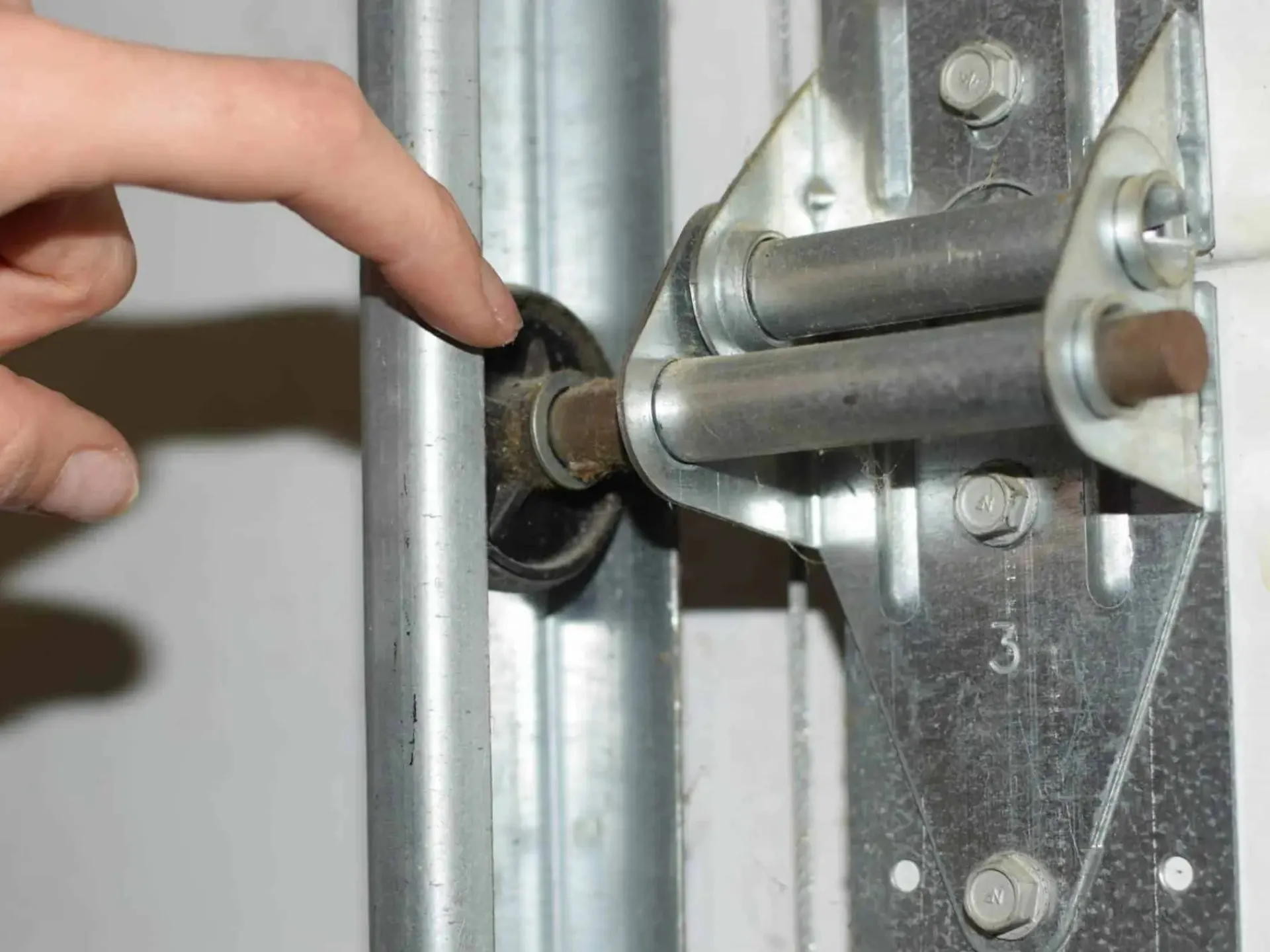
Garage door rollers are small wheels attached to metal stems that fit into hinges or brackets along the sides of the garage door.
As the door opens and closes, these wheels travel through metal tracks, guiding the door from its vertical position into the horizontal tracks near the garage ceiling.
Although rollers are relatively small, they perform several important functions.
They help maintain smooth movement, reduce friction, support proper alignment, and prevent unnecessary resistance during operation.
When rollers become damaged, the garage door may struggle to move through its tracks.
This can affect the opener, hinges, tracks, and other hardware.
Maintaining properly functioning rollers is therefore an important part of overall garage door maintenance.
What Causes Garage Door Rollers to Wear Out?
Garage door rollers are designed for repeated movement, but they do not last indefinitely.
Several factors can contribute to deterioration.
Frequent Daily Garage Door Use
Every opening and closing cycle places additional wear on the rollers.
Households that use their garage as the primary entrance may operate the door several times daily.
Over the years, this repeated movement can gradually wear down the wheels and bearings.
Dirt and Debris
Dust, dirt, and debris can accumulate around garage door tracks.
When contaminants interfere with roller movement, they may increase friction and contribute to premature wear.
Moisture and Corrosion
Michigan garages experience changing temperatures, humidity, snow, and moisture.
These conditions may contribute to corrosion on metal rollers, bearings, and surrounding hardware.
Poor Track Alignment
Bent or misaligned tracks can place uneven pressure on the rollers.
Even new rollers may deteriorate prematurely if the underlying alignment problem remains unresolved.
Aging Bearings
Many garage door rollers contain bearings that help the wheels rotate smoothly.
When bearings deteriorate, rollers may begin producing grinding noises or resisting movement.
1. Your Garage Door Makes Unusual Noises
One of the earliest warning signs of worn rollers is increased noise during operation.
A garage door that once opened quietly may begin making grinding, rattling, squeaking, or clicking sounds.
These noises can occur when roller wheels become damaged or bearings stop rotating smoothly.
For example, a cracked roller may produce repetitive clicking as it moves through the track.
A worn bearing may create grinding sounds, while loose hardware can contribute to rattling.
However, unusual noises do not always indicate roller problems. Hinges, springs, tracks, and opener components can produce similar sounds.
A professional inspection can identify the source of the noise and determine whether replacement is necessary.
2. The Garage Door Shakes or Vibrates
A properly functioning garage door should move smoothly through its tracks.
If the door begins shaking, vibrating, or jerking during operation, worn rollers may be contributing to the problem.
Damaged wheels can create uneven contact with the tracks, preventing consistent movement.
The vibration may become more noticeable as the door transitions from the vertical tracks into the curved sections.
Continuing to operate a shaking garage door can place additional stress on hinges, brackets, and other components.
If vibration becomes frequent or severe, homeowners should arrange professional service.
3. Rollers Have Visible Cracks or Physical Damage
Some roller problems can be identified through visual inspection.
Nylon rollers may develop cracks, chips, or missing sections.
Steel rollers may show excessive corrosion, damaged surfaces, or deterioration around their bearings.
Other visible warning signs include:
- Wheels that appear tilted
- Loose roller stems
- Rollers that wobble excessively
- Broken or missing wheel sections
- Severe rust
- Rollers that no longer sit correctly inside the tracks
Homeowners can observe accessible rollers from a safe distance without touching moving components.
If significant damage is visible, professional Garage Door Rollers Replacement may be necessary.
4. The Garage Door Moves Slowly or Gets Stuck
A garage door that suddenly begins moving more slowly may have increased mechanical resistance.
Worn rollers can contribute to this resistance when they no longer rotate freely.
The opener may struggle to move the door, particularly around curved track sections.
In more serious situations, the garage door may become stuck partway through its opening or closing cycle.
However, slow movement can also result from damaged springs, cables, tracks, or opener problems.
Professional diagnosis helps identify the actual cause rather than replacing components unnecessarily.
5. The Garage Door Appears Uneven or Misaligned
Garage doors depend on properly aligned tracks, rollers, cables, and springs.
When rollers become severely damaged or displaced, the door may begin moving unevenly.
One side may appear lower than the other, or the door may shift unexpectedly during operation.
This situation requires immediate attention because a misaligned garage door can become unstable.
If the door appears crooked or a roller has completely left its track, stop using the opener.
Do not attempt to force the door back into position.
Professional technicians can secure the door and determine whether rollers, tracks, cables, or other components require repair.
Different Types of Garage Door Rollers
When replacement becomes necessary, homeowners may have several options.
The appropriate choice depends on the garage door’s weight, track configuration, expected usage, and manufacturer specifications.
Nylon Garage Door Rollers
Nylon rollers are popular for residential garage doors because they can provide smooth and relatively quiet operation.
They are often a practical option for attached garages where noise reduction is important.
Higher-quality nylon rollers may include sealed bearings designed to support dependable movement.
However, roller quality varies, and not every nylon roller is suitable for every garage door.
Steel Garage Door Rollers
Steel rollers offer strength and durability.
They may be appropriate for certain heavier-duty garage door applications.
However, depending on their construction and condition, steel rollers can produce more operational noise than nylon alternatives.
They may also require maintenance to address corrosion or bearing wear.
Plastic Garage Door Rollers
Basic plastic rollers are sometimes found on older or lower-cost garage door systems.
These rollers may have simpler construction and can experience faster wear under demanding operating conditions.
When replacing aging plastic rollers, homeowners may benefit from discussing compatible upgrades with a professional technician.
How Long Do Garage Door Rollers Usually Last?
The lifespan of garage door rollers varies considerably.
Basic rollers may require replacement sooner than higher-quality models with durable wheels and bearings.
Factors affecting longevity include:
- Roller material and construction
- Number of daily operating cycles
- Garage door weight
- Track condition
- Exposure to moisture and dirt
- Maintenance practices
- Quality of installation
Rather than relying on a fixed replacement schedule, homeowners should monitor the rollers’ physical condition and overall performance.
A professional inspection can determine whether the existing rollers remain suitable for continued use.
Garage Door Rollers Replacement in West Bloomfield
Homeowners in West Bloomfield may have garage doors ranging from traditional residential systems to larger insulated models.
These doors require rollers that are compatible with their size and weight.
Frequent operation and Michigan’s changing seasonal conditions can gradually contribute to roller deterioration.
Magic Fix Garage Door Services provides roller inspection, repair, and replacement services for West Bloomfield homeowners.
Professional evaluation can identify damaged rollers and determine whether track alignment or related hardware also requires attention.
Garage Door Rollers Replacement in Southfield
Southfield includes established residential neighborhoods where some garage door systems may have accumulated years of daily use.
Older rollers can become noisy, loose, or less effective at guiding the door.
Homeowners should pay attention to grinding sounds, excessive vibration, and visible roller deterioration.
Professional replacement can help restore smoother operation while reducing unnecessary strain on the opener and tracks.
Garage Door Rollers Replacement in Troy
For many households in Troy, the garage serves as a primary entrance.
Daily commuting, school activities, errands, and other routines can result in frequent garage door operation.
Over time, these cycles contribute to normal roller wear.
Homeowners experiencing repeated rattling, jerking, or difficulty opening the garage door should consider professional inspection.
Selecting properly matched replacement rollers can help maintain dependable operation.
Garage Door Rollers Replacement in Northville
Homes in Northville feature a variety of architectural styles and garage door configurations.
Some properties have older detached garages, while others feature modern attached garages with larger insulated doors.
Because roller requirements vary, replacement components should be selected according to the specific garage door system.
Magic Fix Garage Door Services can inspect worn rollers, evaluate related hardware, and recommend suitable replacement solutions.
How Much Does Garage Door Rollers Replacement Cost?
The cost of replacing garage door rollers depends on several factors.
These include the number of rollers requiring replacement, roller material, garage door size, labor requirements, and whether additional components are damaged.
For general budgeting purposes, a straightforward residential roller replacement service may cost approximately $100 to $300.
More extensive repairs may cost more if tracks, hinges, cables, or other components also require attention.
These figures are general estimates rather than guaranteed prices from Magic Fix Garage Door Services.
A professional inspection is the best way to determine the actual cost for a specific property.
Why Professional Garage Door Roller Replacement Matters
Although rollers may appear simple to replace, garage doors contain heavy panels and components connected to high-tension spring and cable systems.
Certain roller brackets are located near hardware that should never be loosened without professional training.
Improper replacement can also lead to incorrect roller positioning, damaged tracks, or unstable door movement.
A professional technician can evaluate the complete system, select compatible rollers, replace damaged components, and test the garage door’s operation.
This approach helps ensure that the original problem has been corrected rather than temporarily concealed.
How to Prevent Premature Garage Door Roller Wear
Regular maintenance can help homeowners identify developing problems before they become serious.
Keep the garage door tracks free from dirt and debris, and avoid placing objects near moving components.
Pay attention to unusual noises or changes in movement.
Lubrication requirements vary by roller design, so homeowners should follow manufacturer recommendations rather than applying grease indiscriminately.
Professional garage door maintenance can also help identify worn rollers, damaged hinges, track problems, and other mechanical issues.
Addressing these concerns early may reduce the likelihood of unexpected breakdowns.
When Should You Schedule Garage Door Roller Replacement?
Homeowners should consider professional service when rollers become visibly damaged, produce persistent grinding noises, or cause the garage door to shake or move unevenly.
If a roller has completely left its track or the door appears unstable, stop operating the system immediately.
Ignoring these problems may lead to additional damage and more complicated repairs.
For homeowners in West Bloomfield, Southfield, Troy, and Northville, Magic Fix Garage Door Services offers professional garage door roller repair, replacement, and maintenance solutions.
Keep Your Garage Door Operating Smoothly
Garage Door Rollers play an essential role in the safe and dependable operation of a residential garage door.
When they become worn, cracked, corroded, or misaligned, the entire system may experience increased friction, unusual noise, and uneven movement.
Recognizing these warning signs can help homeowners arrange timely repairs before additional components are affected.
Whether you need routine maintenance or professional Garage Door Rollers Replacement, addressing roller problems promptly can help protect your garage door and maintain reliable everyday access.
Magic Fix Garage Door Services provides garage door roller repair and replacement services throughout its Michigan service area, helping homeowners restore smooth operation and address developing mechanical problems.